How Much Does Interior Design Cost in Montreal?
If you’ve ever thought about hiring an interior designer in Montreal, there’s a good chance the first thing that crossed your mind was: “But how much is this actually going to cost me?”
That feeling is completely normal. It’s also the most common question designers hear, and the answer is never a single number. Interior design costs depend on several factors, including the size of your project, the services you need, the designer’s experience, and how you structure the engagement.
By the end of this article, you’ll know exactly what to expect. You’ll understand the different pricing models designers use, what drives costs up or down, what’s typically included in a fee, and how to make the most of your budget regardless of what it is.
At TD Design, every project starts with a custom proposal tailored to the specific scope and goals of your space. There’s no one-size-fits-all package, because no two projects are the same.
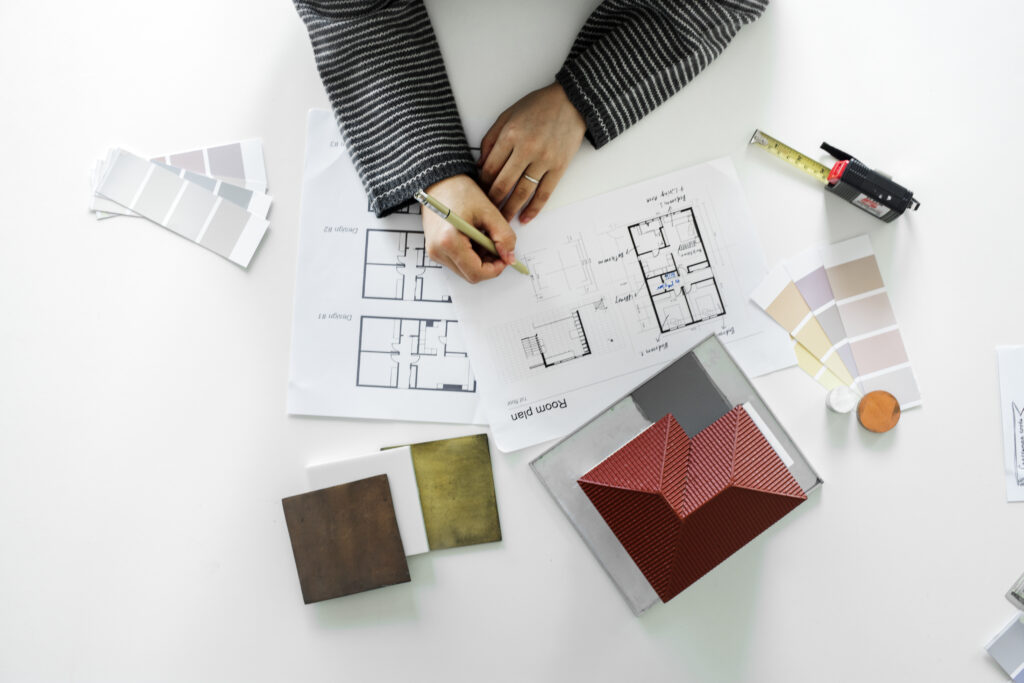
The 3 Main Ways Interior Designers in Montreal Charge
Before any numbers make sense, you need to understand the pricing models. Interior designer rates in Montreal (and across Quebec) generally fall into three structures. Knowing which one applies to your project changes how you evaluate and compare quotes.
Hourly Rate
Some designers bill by the hour, which is common for smaller projects, consultations, or situations where the scope isn’t fully defined yet. Hourly rates in Montreal typically range from $75 to $200+ per hour depending on the designer’s experience and the nature of the work. This model gives you flexibility, but it can be harder to predict total costs upfront, so ask for an estimated number of hours before committing.
Flat / Fixed Fee Per Room or Project
A flat fee means you agree on a total price for a defined scope of work, whether that’s a single room or an entire home. This is one of the most popular structures because it gives both sides clarity. You know what you’re paying; the designer knows what they’re delivering. Flat fees in Montreal can range from a few thousand dollars for a single room refresh to well into five figures for a full residential project with custom elements.
Percentage of Total Project Cost
In this model, the designer’s fee is calculated as a percentage of the total project budget, including furniture, materials, finishes, and contractor costs. The percentage typically falls between 10% and 20%. This structure aligns the designer’s incentives with the project and is common on larger, more complex renovations. It also means costs scale with your investment, so it’s worth clarifying exactly what’s included in the base figure.
What Factors Affect the Cost?
Understanding what affects interior design costs in Montreal helps you anticipate where your project sits on the pricing spectrum and where you have room to make choices.
Scope of the Project
A single bedroom refresh and a full home renovation are not the same conversation. A larger scope means more time, more coordination, more decisions, and more deliverables. Multi-room or whole-home projects typically involve a higher total investment but often come with better value per square foot when bundled together.
Level of Customization
Off-the-shelf furniture and standard finishes cost less than custom-built pieces, bespoke lighting concepts, and material sourcing from specialty suppliers. If your vision involves unique, one-of-a-kind elements, expect that to be reflected in the fee. Customization takes time, sourcing expertise, and often involves more back-and-forth with fabricators and vendors.
Designer’s Experience and Reputation
A senior designer or a boutique interior design firm with a strong portfolio commands higher rates than someone earlier in their career. That premium reflects years of refined taste, established trade relationships, and the ability to anticipate and solve problems before they become expensive ones. For complex or high-stakes projects, that experience often pays for itself.
Project Timeline
If you need the project completed quickly, expect to pay more. Rushed timelines require expedited sourcing, faster decision cycles, and sometimes premium rates from contractors and suppliers. Building in realistic lead time gives your designer room to find better solutions at better prices.
Location Within Greater Montreal
Project costs can vary depending on whether you’re downtown, in Westmount, the West Island, or the suburbs. Contractor rates, delivery logistics, and access considerations all play a role. Urban projects sometimes carry higher overhead costs than suburban ones, though the designer’s fee itself is typically based on scope rather than location.
Services Included
Not all design fees are created equal. Some cover the full picture: project management, technical drawings, contractor coordination, and on-site supervision. Others are limited to the conceptual phase. Always clarify what’s in the fee and what’s billed as an extra, because two quotes that look similar on paper can represent very different levels of service.
What’s Usually Included in the Fee?
One of the most important things to understand when evaluating interior design fees is what’s actually behind the number. Good design isn’t just about choosing colours and furniture. A comprehensive fee typically covers a range of professional services that most clients wouldn’t think to price out separately.
Here’s what’s commonly included in a full-service interior design engagement:
- Conceptual design — the overarching vision, mood, and direction for your space
- Technical drawings and floor plans — precise documentation that contractors need to execute the work correctly
- Project management — coordinating timelines, trades, and deliveries so you don’t have to
- Custom furniture design — specifying or designing pieces built specifically for your space
- Lighting concept plans — layered lighting strategies that transform how a room feels at every hour of the day
- Color chart development — a cohesive palette across walls, finishes, and textiles
- Material and finish selection — curating flooring, tile, fabric, hardware, and more with your style and budget in mind
- Contractor coordination — liaising with trades to ensure the design vision is executed as intended
When you see it laid out this way, the fee starts to look less like a luxury and more like a professional service with real, measurable deliverables.
Is Hiring an Interior Designer Worth It in Montreal?
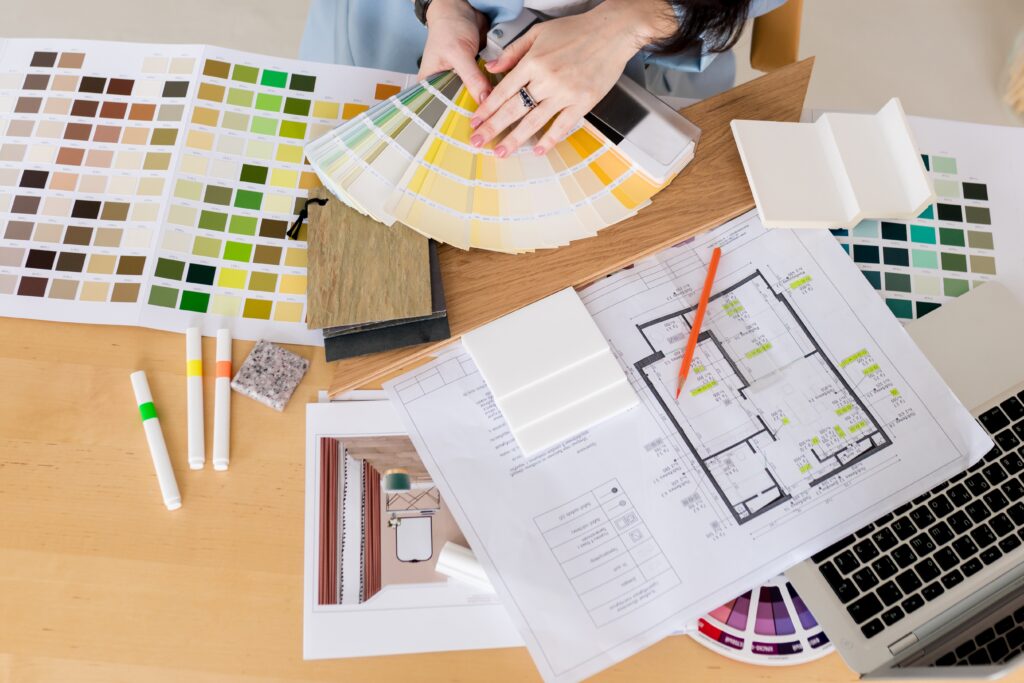
This is the question behind the question. Most people aren’t just asking about cost; they’re asking whether the cost is justified.
The short answer is: for most renovation or redesign projects of any real scope, yes.
Here’s why. Without a designer, homeowners typically make decisions in isolation, room by room, without a cohesive plan. That leads to mismatched finishes, furniture that doesn’t fit the space proportionally, lighting that doesn’t work, and costly do-overs. The mistakes people make when designing without professional guidance often cost more to fix than the designer’s fee would have been in the first place.
A good interior designer also has access to trade pricing on furniture, materials, and finishes that isn’t available to the general public. In many cases, those savings offset a meaningful portion of the design fee, making the net cost lower than it appears.
There’s also the time factor. Managing a renovation or redesign without professional support is a part-time job. Coordinating contractors, chasing quotes, making decisions under pressure, and troubleshooting problems on the fly takes hours most homeowners don’t have. Designers handle that so you don’t have to.
Finally, there’s the result itself. A professionally designed space doesn’t just look better; it functions better, feels better to live in, and in the Montreal real estate market, it adds measurable value to your property.
If your project is meaningful to you, the investment in professional design is almost always worth it.
How to Get the Most Value from Your Interior Design Budget
Finding an affordable interior designer in Montreal isn’t just about finding the lowest rate. It’s about structuring your engagement intelligently so you get the most out of every dollar you spend.
Be Clear About Your Priorities Upfront
Which rooms matter most to you? Which spaces do you use every day versus occasionally? Telling your designer where to focus means resources go to the areas with the highest impact on your daily life and the biggest return on investment.
Have an Honest Budget Conversation at the First Meeting
Don’t hide your number hoping the designer will come in under it. Share your real budget clearly. A good designer will tell you honestly what’s achievable within it, and they’ll structure the project scope accordingly. Transparency at the start saves everyone time and prevents disappointment later.
Bundle Rooms or Phases for Better Value
Tackling multiple rooms or phases together often comes with better overall value than approaching each one separately. Designers can coordinate sourcing, deliveries, and contractor schedules more efficiently when the scope is larger, and those efficiencies benefit you.
Ask What’s Included Versus Billed as Extras
Before signing anything, get clarity on what’s in the fee and what triggers additional charges. Project management, site visits, and revisions are common areas where surprises show up. A clear scope of work protects both you and the designer.
Start with a Consultation Before Committing to a Full Project
Many designers offer an initial consultation at a fixed rate. This is a low-risk way to test the relationship, get professional eyes on your space, and understand what a full engagement would involve. It’s a smart first step before making a larger commitment.
Interior design costs in Montreal vary based on the pricing model, the scope of work, and the level of service involved. But now you have the framework to understand what you’re looking at when you review a quote, ask the right questions before you sign, and make a decision that fits both your vision and your budget.
Pricing transparency is a mark of a professional designer. If a firm can’t explain how they charge and what you’re getting for it, that tells you something.
At TD Design, every project starts with a straightforward conversation about your goals, your space, and your budget. No surprises.