How to Mix Patterns Without It Looking Cluttered
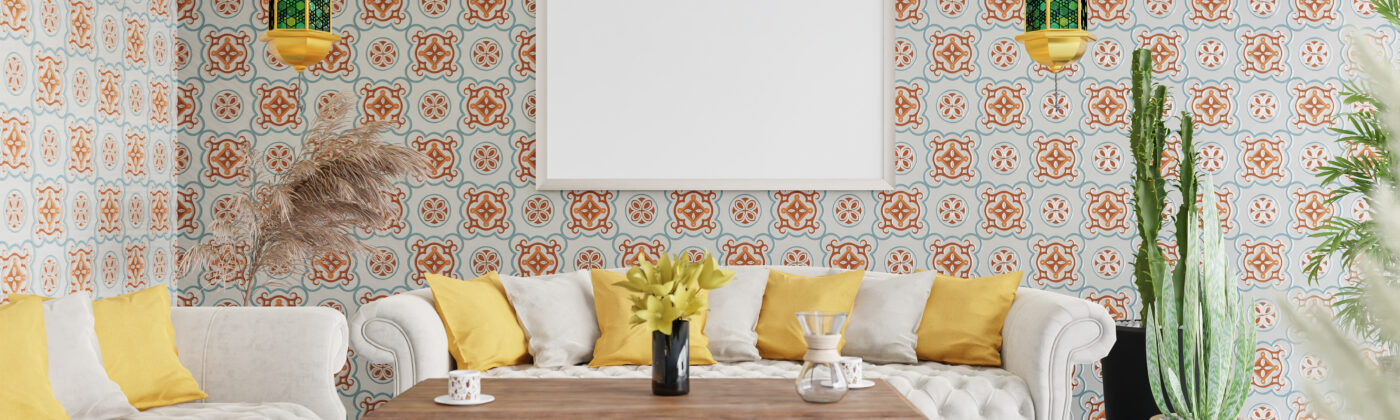
Pattern mixing is one of those things that looks effortless in the rooms you see in design magazines and completely chaotic when you try to replicate it at home. The difference between a room that feels layered and collected versus one that looks like it was decorated by someone who couldn’t make up their mind is almost never about how many patterns are in the room. It’s about how they’re working together.
The good news is that pattern mixing follows a logic. Once you understand that logic, what feels like a risky decorating move becomes one of the most effective ways to give a room personality and depth.
The Scale Rule: Vary the Size of Your Patterns
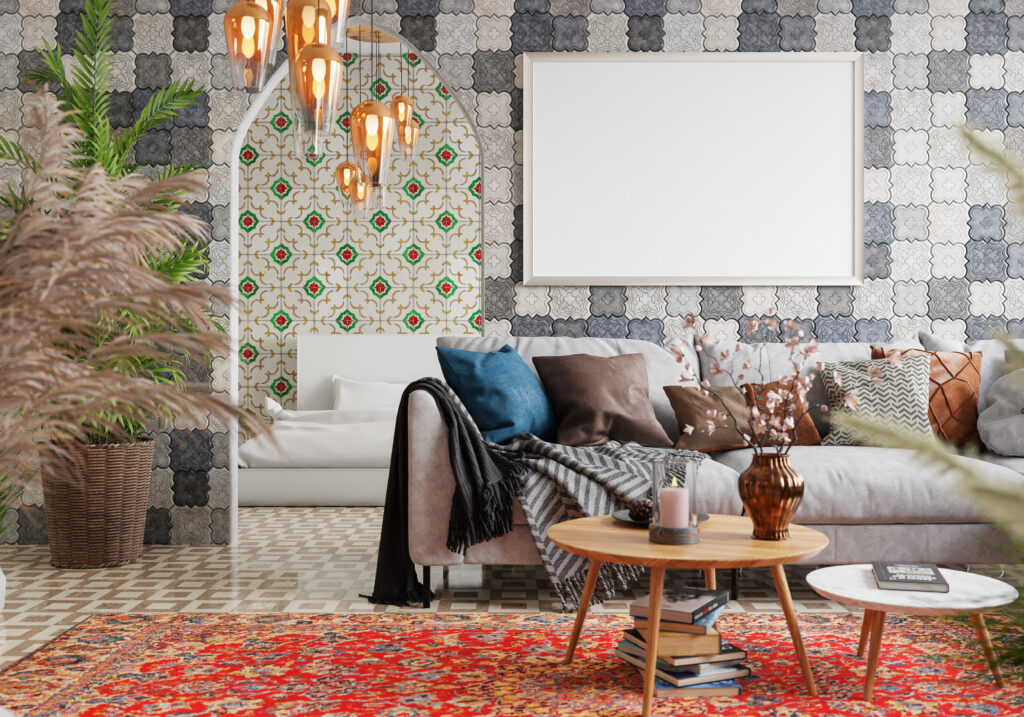
This is the single most important principle in pattern mixing interior design, and if you do nothing else right, do this. Patterns work together when they operate at different scales. A large-scale pattern, a medium-scale pattern, and a small-scale pattern can all coexist in the same room because they’re not competing for the same visual territory.
Where mixing patterns goes wrong most often is when two patterns are too similar in scale. Two medium stripes, two similar-sized florals, two geometrics of the same density: they fight each other rather than complement each other because the eye doesn’t know which one to read first. Space them out by size and the tension disappears.
A practical example in a living room: a large-scale botanical print on the sofa, a medium-scale geometric on a throw pillow, and a small-scale texture on a cushion or rug. Three patterns, none of them competing.
The Color Connection: Use a Shared Palette as the Anchor
The fastest way to make mixed patterns feel intentional rather than accidental is to make sure they share at least one common color. That shared color is what pulls them into the same family and makes the eye read them as a cohesive set rather than a collection of unrelated choices.
You don’t need every color to overlap; in fact, that can become restrictive. Just one color threading through each pattern is enough. A navy, white, and ochre stripe can live easily alongside a cream and navy floral and a terracotta and ochre geometric because each piece has something in common with the others. The room feels layered but controlled.
This is also why starting with a rug or a piece of statement upholstery you love is such a reliable approach. Let that anchor piece set the color story, then pull pattern choices that reference those same tones.
How to Mix Patterns in a Living Room Specifically
The living room typically offers the most surface area for pattern mixing and also the most opportunity to get it wrong. Here’s a framework that works consistently.
Start with the largest surfaces first. If your sofa is upholstered in a pattern, that’s your dominant pattern and everything else should work around it in scale and color. If your sofa is solid, you have more freedom to introduce a bolder pattern elsewhere.
Layer into pillows as your second pattern level. Pillows are the most forgiving place to experiment because they’re easy to change. Mix at least two and ideally three different patterns here, keeping the scale variation rule in mind. A mix of a geometric, a more organic print, and a solid or textural weave is a classic combination that almost always works.
Add a third pattern layer through textiles like throws, curtains, or a patterned rug. The rug in particular can carry a lot of visual weight and introduce a pattern at a scale that grounds the whole room rather than competing with what’s above it.
Finally, use solid colors to give the eye somewhere to rest. A room without any solid elements can feel relentless regardless of how well the patterns work together. Solid pillows, solid painted walls, or furniture in a neutral solid fabric give the patterns room to breathe.
Don’t Be Afraid to Mix Pattern Styles
One of the most common misconceptions about pattern mixing is that you need to stay within one style. That stripes only go with stripes, or that florals need to stay with other florals. In practice, some of the most interesting and successful rooms mix styles across categories.
A traditional toile alongside a modern geometric. A classic houndstooth with a casual linen weave. An organic botanical print with a clean linear stripe. These combinations work because the contrast in style creates visual interest rather than monotony. The key is to keep the color connection and the scale variation in place; if those two principles are working, the patterns can come from almost anywhere.
When to Pull Back
There is a point at which a room has enough pattern, and knowing where that point is matters as much as knowing how to layer. If every surface in a room has a pattern on it; walls, floor, furniture, cushions, curtains; the cumulative effect becomes overwhelming regardless of how skilled the individual choices are.
A good rule of thumb is to introduce plain elements intentionally at each stage of the process. If the walls are already patterned, the floor covering should probably be solid or very subtly textured. If the sofa is heavily patterned, the rug can afford to be quieter.
The goal isn’t minimalism; it’s balance. A room can be rich and layered and full of life without tipping into visual chaos, but it requires stepping back regularly to assess the whole rather than just the individual pieces.
TD Design: Luxury Interior Design in Montreal, the West Island, and Montérégie
Getting pattern mixing right in your own home is easier said than done. Knowing the principles is one thing; applying them to a specific room with specific proportions, specific existing furniture, and a specific light quality is another. This is where working with a professional designer makes a real difference.
TD Design is a luxury interior design firm based in Montreal, serving clients across the West Island and Montérégie region. Their approach blends functionality with aesthetics in every project, crafting personalized environments that reflect each client’s unique vision and lifestyle. From the first consultation through the final details, TD Design handles your space in its entirety; adapting to every element of the project with the kind of meticulous attention that turns a house into something you genuinely love living in.
Visit tddesignmtl.com to book a consultation and take the first step toward a space that’s as beautiful as it is livable.
Frequently Asked Questions
What are the basic pattern mixing rules in interior design?
The two most important rules are to vary the scale of your patterns and to connect them through a shared color. Large, medium, and small-scale patterns work together because they’re not competing visually. A common color threading through each pattern ties them into a cohesive whole.
How many patterns can you use in one room?
Most designers suggest three as a working number; a dominant pattern, a secondary pattern, and an accent pattern. That said, more can absolutely work as long as scale variation, color connection, and adequate solid elements are present to give the eye somewhere to rest.
Can you mix stripes with florals?
Yes. Mixing pattern styles is often what gives a room its most interesting character. The key is maintaining scale variation and a shared color story between the two. A large botanical floral and a smaller-scale stripe in complementary colors is a classic and very effective combination.
How to mix patterns in a living room without it looking busy?
Start with your largest surface; usually the sofa or a major upholstered piece; and let that anchor the color palette. Layer patterns into pillows and textiles at varying scales. Use solid elements deliberately to provide visual breathing room. Step back regularly to assess the room as a whole rather than piece by piece.
What’s the easiest way to start mixing patterns if you’re nervous about it?
Start with a rug or a piece of upholstery you love, and let its colors guide every pattern decision that follows. If every pattern you add shares at least one color with the anchor piece, the room will feel connected rather than chaotic regardless of how many patterns you introduce.
How can TD Design help with pattern mixing in my home?
TD Design offers personalized interior design services that consider every aspect of your space, from color and pattern to furniture selection and finish details. Their team works with you from concept to completion to create rooms that are layered, intentional, and tailored to how you actually live.